
In the uncompromising realm of heavy industry, lighting is never merely a matter of aesthetic illumination; it is a highly regulated component of operational survival, workplace safety, and bottom-line efficiency. From the highly corrosive atmospheres of coastal chemical processing plants to the blistering ambient temperatures of steel fabrication mills and the combustible environments of offshore drilling rigs, a sudden lighting failure often results in catastrophic production downtime, severe safety liabilities, and exorbitant emergency maintenance costs. Unfortunately, the global supply chain is saturated with trading companies masquerading as authentic source manufacturers, aggressively peddling civilian-grade fixtures with falsified industrial specifications. This comprehensive, engineering-driven 2026 audit guide is specifically architected for B2B procurement managers, facility engineers, and large-scale project contractors. It bypasses the superficial marketing noise to reveal the rigorous standards required to evaluate a true source manufacturer, unpacks the complexities of global hazardous area certifications, and provides an objective, insider’s breakdown of the top six industrial LED flood light factories dominating the global supply chain today.
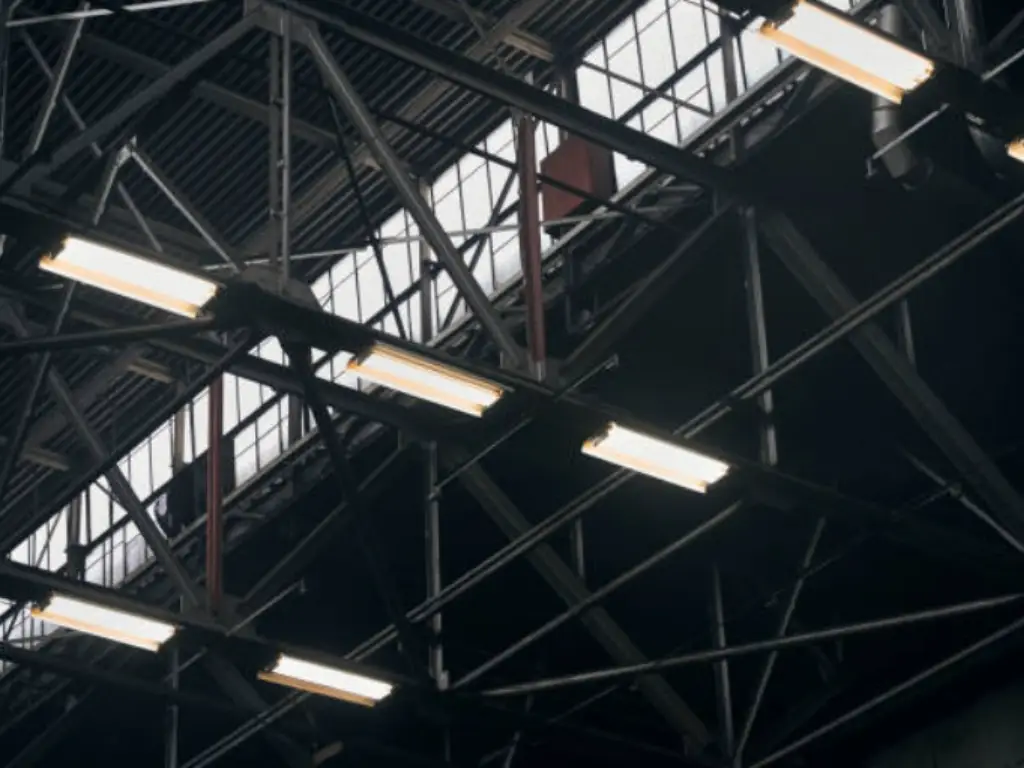
How to Evaluate an Industrial LED Flood Lights Factory Like a Pro
A polished corporate brochure and a well-designed B2B website can effortlessly mask a mid-level trading company operating out of a rented office. To separate genuine, tier-1 source manufacturers from mere parts assemblers, procurement professionals must abandon superficial vendor assessments and apply a stringent, engineering-first audit. True industrial lighting is defined by what happens under extreme mechanical and thermal stress over a 10-year operational lifecycle. Before requesting a quote or a sample, demand verifiable documentation across these four technical dimensions:
The 72-Hour Extreme Thermal and Surge Aging Test
A genuine factory does not skip vital quality control bottlenecks to accelerate shipping. Every batch of heavy-duty fixtures must undergo a minimum of 72 hours of continuous high-temperature aging and high-voltage surge testing. Elite manufacturers place fully assembled fixtures into automated burn-in chambers artificially raised to 50°C to 60°C. During this window, fixtures are subjected to aggressive on/off cycling and simulated voltage spikes up to 10kV. This process forcibly triggers premature component failure (infant mortality) in weak drivers or poorly soldered LED arrays before the product ever leaves the facility. If a supplier cannot provide automated, batch-specific testing logs, you are absorbing the massive risk of early field failures and unpredictable production halts on your factory floor.
Thermal Management Architecture and Material Integrity
Heat is the ultimate, inescapable destroyer of LED semiconductor junctions. Evaluating the housing material requires meticulous scrutiny. You must verify the use of ADC12 Die-Cast Aluminum or superior alloys. ADC12 possesses exceptional structural integrity and an optimized thermal conductivity profile. True factories utilize heavy-tonnage die-casting machines to eliminate microscopic air pockets (porosity) within the metal, which otherwise act as thermal insulators. Furthermore, the external heat sink must feature aerodynamically calculated fins that leverage passive convective airflow to draw heat away from the core, even in zero-wind indoor environments. By maintaining the junction temperature well below 85°C, the factory ensures the fixture actually achieves its promised 50,000-hour lifespan without catastrophic lumen depreciation.
Independent Optical Validation (LM-79 and LM-80)
If a supplier fails to instantly provide IES photometric files or independent Integrating Sphere test reports, it is a glaring red flag that they lack an in-house optical laboratory. According to the stringent standards set by the Illuminating Engineering Society (IES), LM-79 reports scientifically verify the total luminous flux, electrical power, and precise color characteristics (CRI and CCT) of the complete fixture. LM-80 reports track the lumen maintenance of the LED package itself over thousands of hours of rigorous stress testing. Real factories invest heavily in Goniophotometers to measure the spatial distribution of light, generating accurate IES files critical for DIALux or AGi32 simulations. Without these, claims of high efficacy are just dangerous marketing guesswork.
IK Rating and Mechanical Impact Resistance
In heavy industrial environments, lighting fixtures are constantly threatened by flying debris, overhead crane hook swings, and heavy forklift vibrations. A true industrial manufacturer does not rely on standard tempered glass that shatters into hazardous shards. You must demand verification of an IK08 to IK10 Impact Protection Rating. IK10 signifies the fixture can withstand a direct kinetic impact of 20 Joules (equivalent to dropping a 5kg solid mass from 400mm). Authentic factories achieve this by engineering specialized polycarbonate lenses or ultra-thick, structurally reinforced borosilicate glass seamlessly bonded to the die-cast housing with industrial-grade silicone gaskets.
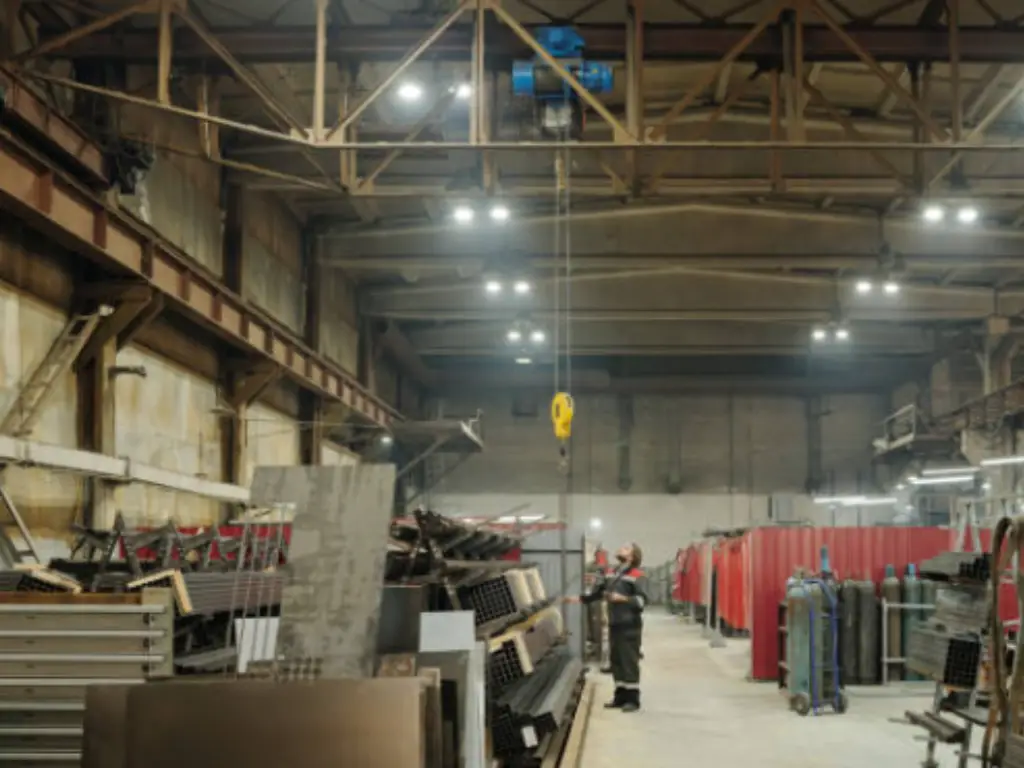
Navigating Global Certifications for Hazardous and Corrosive Area Lighting
Before examining the specific capabilities of global manufacturers, a non-negotiable baseline of safety compliance must be established. Sourcing standard, civilian-grade waterproof fixtures for heavy-duty industrial applications is the fastest route to severe regulatory compliance fines, insurance claim denials, and catastrophic facility shutdowns. Heavy industry requires specialized, heavily audited certifications designed specifically for explosive, corrosive, and extreme mechanical environments.
- North American Standards (NEC Class I, Div 1 / Div 2): Facilities operating in the United States and Canada that handle combustible dust (like grain or coal), flammable gases, or ignitable fibers require strict, uncompromising adherence to the National Electrical Code (NEC). Class I, Division 1 indicates that an explosive hazard is present during normal, everyday operations. Fixtures rated for this environment do not merely “keep gas out”; they are engineered with explosion-proof enclosures characterized by massive, heavily threaded joints. If explosive gas seeps in and an internal electrical spark ignites it, the thick housing is designed to entirely contain the internal blast, cooling the escaping expanding gases through the threaded pathways so they cannot ignite the broader atmosphere outside the fixture.
- European and Global Standards (ATEX Zone 1 / Zone 2 / IECEx): Large-scale industrial projects across Europe, the Middle East, and many international offshore regions must strictly adhere to the ATEX directives and IECEx standards. Zone 1 represents areas where an explosive atmosphere is likely to occur in normal operation. ATEX-certified fixtures achieve compliance through rigorous encapsulation, often potting the sensitive LED drivers in specialized thermal resins that completely isolate the electrical circuitry from the surrounding atmosphere. They also utilize intrinsically safe circuit designs that physically restrict the electrical energy and thermal heat available, ensuring it remains well below the ignition threshold of specific hazardous gas mixtures present in the facility.
- General Industrial Benchmarks (NEMA 4X & Salt Spray Resilience): For incredibly harsh but non-explosive environments—such as coastal logistics ports, acidic paper mills, or heavy chemical washdown areas—standard IP66 waterproofing is tragically insufficient. Acidic vapors and coastal salt spray will rapidly corrode standard painted aluminum in a matter of months, leading to seal failure and water ingress. Procurement managers must verify absolute compliance with NEMA 4X ratings. This is achieved through Heavy-Duty Anti-Corrosion treatments, involving multi-stage chromate conversion coatings beneath thick, marine-grade polyester powder paint. True factories validate this protection by placing fixtures in a Salt Spray Test Chamber for 500 to 1000 hours to guarantee the housing will not blister, pit, or fail over decades of exposure.
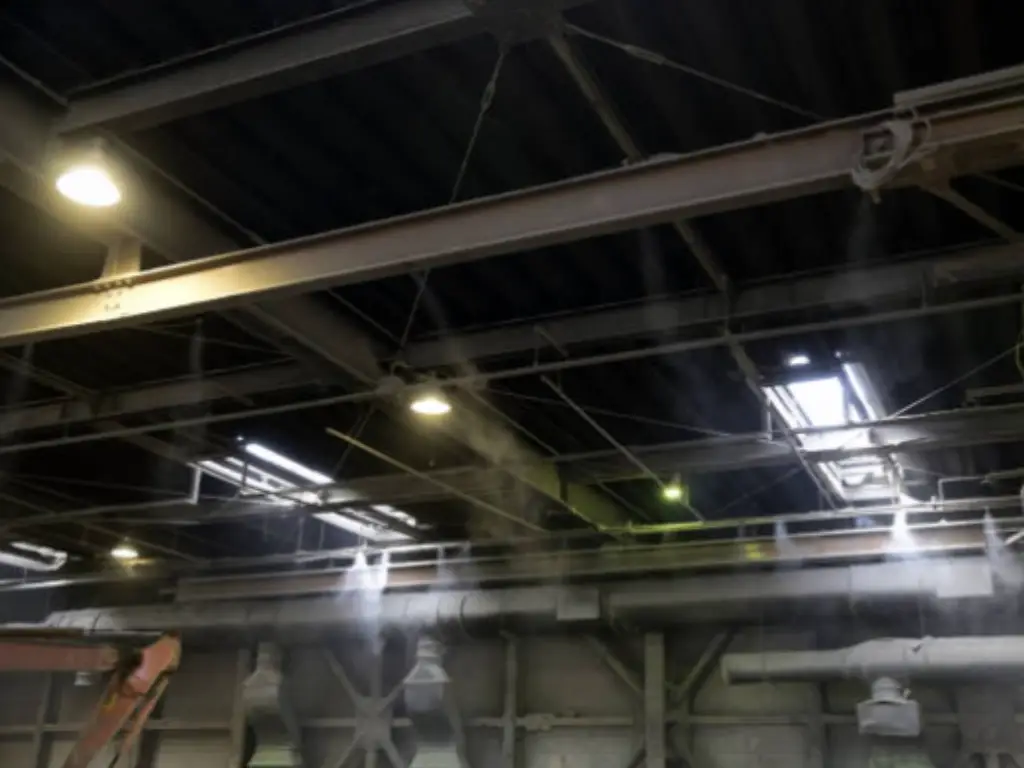
Top 6 Industrial LED Flood Lights Factories Across the Globe
Having established the rigorous engineering mechanisms and compliance standards required to survive in heavy industry, here is an objective, deeply researched breakdown of the top manufacturing giants defining the global supply chain. This strategic list spans from century-old Western heritage brands dominating the niche explosion-proof sector to highly efficient, vertically integrated Asian sourcing hubs that provide unparalleled OEM capabilities and factory-direct ROI. We will examine not only what makes them great, but the specific engineering mechanisms behind their success.
1. Dialight
Headquartered in the UK with a massive global footprint, Dialight is widely recognized by engineering procurement firms as the undisputed pioneer and reigning champion in heavy-duty hazardous location lighting. Their engineering legacy, spanning decades, is built entirely around the philosophy of zero-failure in extreme environments. Dialight’s flagship Vigilant and ProSite series industrial floodlights are meticulously crafted to withstand the brutal realities of offshore oil rigs, petrochemical refineries, and highly volatile heavy manufacturing zones. They hold one of the most comprehensive and unassailable portfolios of ATEX, IECEx, and Class I Div 1/2 certifications in the industry, ensuring absolute safety where a single electrical arc could lead to catastrophic consequences. They achieve an unparalleled advantage in extreme environmental reliability through proprietary, custom-potted power supplies. Instead of relying on off-the-shelf drivers vulnerable to gas penetration, Dialight completely encapsulates their power circuitry in advanced thermal resins, entirely sealing out corrosive gases and moisture.
Furthermore, Dialight leverages this resin-encapsulation technique to absorb and dissipate severe mechanical vibration, effectively eliminating the primary point of failure found in standard fixtures. They offer a massive operational advantage in maintenance-free longevity by pairing these drivers with massive, custom-tooled heat sinks and advanced passive thermal management designs that contain absolutely no moving parts. This physical mechanism allows them to confidently guarantee up to 10 years of continuous operation in environments that routinely destroy standard commercial lights in a matter of weeks. While their premium price point makes them a significant overkill for standard warehousing or general commercial applications, Dialight remains the ultimate, uncompromising insurance policy for multinational energy conglomerates, offshore drilling operators, and chemical processing giants that operate with strict safety budgets and cannot afford even a zero-point-one percent failure rate.
2. Cree Lighting
Based in Wisconsin, United States, Cree Lighting brings a profound, historical, and deeply technical advantage to the industrial flood light sector: their deep-rooted legacy in semiconductor and foundational LED chip manufacturing. Because they possess an intimate, molecular-level understanding of the diode, Cree is able to engineer high-bay and heavy industrial flood lighting fixtures that consistently push the boundaries of luminous efficacy. Their renowned OSQ™ Series and Noctura® Series are highly sought-after staples in massive North America automotive manufacturing plants, sprawling logistics hubs, and high-mast port applications requiring intensely bright, uniformly distributed illumination. Cree Lighting’s primary advantage lies in their industry-leading lumen maintenance. They achieve this superior lifespan through strict vertical integration, maintaining absolute control over the chip binning process at the foundry level and pairing their LEDs with highly optimized, proprietary driver architectures that smooth electrical current and prevent degrading micro-surges.
Beyond raw longevity, Cree offers a secondary, highly critical advantage in extreme optical precision and glare reduction. Illuminating a massive logistics yard without blinding forklift drivers requires more than just raw power; it requires surgical control. Cree achieves this through their patented NanoOptic® technology. Rather than relying on simple glass covers or basic aluminum reflectors, they engineer individualized, injection-molded micro-lenses for every single diode on the circuit board. This mechanism precisely refracts and channels the light exactly where the photometric plan dictates, drastically reducing light spillage into the night sky, eliminating harsh worker glare, and maximizing the usable lux on the pavement. Cree is best suited for enterprise-level buyers, massive North American infrastructure projects, and Fortune 500 logistics centers who are willing to make a significant upfront capital investment in exchange for guaranteed, long-term operational savings and an established domestic warranty network.
3. Schréder
Operating out of Belgium and spanning over 40 countries, Schréder brings over a century of lighting heritage to the heavy industrial and civil infrastructure sectors. They are synonymous with European engineering excellence, seamlessly blending brutal, high-performance industrial resilience with highly refined architectural aesthetics. Their specialized INDU series floodlights are specifically formulated to combat extreme coastal corrosion, heavy vibrations from overhead cranes, and aggressive airborne pollutants frequently found in heavy European manufacturing and transportation zones. Schréder does not merely build lights; they design holistic lighting ecosystems that actively enhance worker safety and operational productivity. They deliver a formidable operational advantage in extreme environmental resilience and anti-corrosion by achieving exceptional durability through a highly advanced, multi-stage electrochemical finishing process. Housings undergo deep anodization and are coated with marine-grade polyester powders in a high-temperature baking process, ensuring the finish chemically bonds with the metal.
In addition to their mechanical resilience, Schréder offers a massive advantage in smart connectivity and infrastructure future-proofing. The transition to Industry 4.0 requires lighting that can communicate. Schréder achieves this by natively integrating open-protocol NEMA sockets and Zhaga nodes directly into the fixture housings at the foundry level. This physical plug-and-play mechanism allows industrial facility managers to effortlessly add daylight sensors, motion detectors, or full-scale wireless IoT control nodes at any point in the future without requiring complex rewiring or fixture replacement. Schréder is the absolute go-to manufacturer for European municipal projects, heavy port infrastructure developments, and architecturally sensitive industrial facilities. They are perfectly suited for procurement teams who require highly customized project iterations, aesthetically cohesive fixture designs, and extreme physical longevity, providing a tailored solution that effortlessly meets strict visual and technological demands.
4. Pierlite
As the largest, most entrenched, and most trusted commercial lighting brand in the ANZ region, Pierlite was fundamentally forged in some of the most unforgiving physical environments on the planet. Their industrial LED flood lights are heavily specialized and ruthlessly tested for the demanding mining, resource extraction, and heavy industrial processing sectors of the Australian outback. Products like their legendary Mine Master and Maxi Master series are engineered to survive extreme ambient heat waves, relentless red dust ingress, and the intense, continuous physical vibration generated by heavy earth-moving machinery. Pierlite provides a critical advantage in mining-grade mechanical durability by utilizing over-engineered, heavy-wall cast iron and specialized high-density aluminum alloys for their mounting brackets and external housings. This structural mechanism allows the entire fixture to absorb, dampen, and dissipate severe kinetic impacts before they can transfer shock to the delicate LED circuit boards.
Additionally, Pierlite excels with a profound advantage in extreme ambient heat resistance, a non-negotiable requirement in their primary markets. Operating a 1000-watt floodlight in a 50°C mining pit requires specialized thermodynamics. Pierlite prevents catastrophic failure through a highly effective separated, dual-chamber design architecture. By physically isolating the heat-generating LED driver into a completely separate compartment, distanced from the main LED diode array, they prevent catastrophic “thermal stacking.” This thermodynamic mechanism ensures that the internal components remain cool enough to maintain steady lumen output without initiating forced thermal dimming protocols. Pierlite is the undeniable, dominant choice for heavy mining conglomerates, vast resource extraction facilities, and high-temperature smelting plants located in Oceania and the broader Asia-Pacific region, offering a level of mining-grade durability that drastically reduces the need for dangerous, high-altitude maintenance.
5. GE Current, a Daintree Company
Leveraging the legendary engineering pedigree and vast industrial heritage of General Electric, GE Current, a Daintree Company, focuses heavily on the modern convergence of incredibly solid industrial hardware with advanced, data-driven intelligent controls. Their widely deployed Evolve® series LED floodlights provide incredibly reliable, high-output illumination specifically designed for general industrial manufacturing complexes, massive distribution warehousing, and expansive exterior facility perimeters. What truly elevates GE Current above standard hardware providers is their relentless focus on the Daintree wireless control ecosystem, which transforms static lighting into a dynamic, energy-saving asset. GE Current’s most prominent advantage is their seamless smart building integration and energy optimization. They achieve this integration by baking native Daintree wireless communication nodes directly into the internal driver logic of the floodlights during the initial manufacturing process.
This highly integrated mechanism allows facility managers to bypass complex, expensive third-party control wiring. Upon installation, the fixtures immediately connect to a central, cloud-based dashboard, allowing administrators to automate granular dimming schedules based on shift changes or forklift occupancy, and integrate the lighting seamlessly with broader intelligent Building Management Systems (BMS). Another significant advantage is their massive deployment scalability. Outfitting a two-million-square-foot logistics center requires standardized simplicity, which GE Current achieves through a highly modular platform design. GE Current is best suited for modern, forward-thinking enterprise facilities that view lighting as a critical, data-gathering node. They are ideal for large-scale North American logistics centers, automated e-commerce fulfillment hubs, and manufacturing plants looking to aggressively maximize energy rebates through intelligent, automated controls.
6. WOSEN LED
Operating as the incredibly powerful, hidden engine behind numerous successful global lighting brands and massive municipal projects, WOSEN LED represents the absolute pinnacle of the Asian sourcing hub advantage. Established in 1992, WOSEN is distinctly not a trading intermediary or a lightweight assembly workshop; they are a massive, deeply authentic source factory. Operating out of a state-of-the-art 50,000 square-meter production facility heavily staffed with over 500 skilled engineers and workers, WOSEN controls every single aspect of the manufacturing supply chain under strictly audited ISO9001 systems. Holding comprehensive CE, RoHS, and specialized safety certifications, they bridge the critical, highly sought-after gap between Tier-1 engineering quality and unbeatable factory-direct pricing. WOSEN LED delivers a tremendous strategic advantage in providing Tier-1 quality at raw, factory-direct ROI. They achieve this dominant pricing structure not by cutting corners on materials, but through aggressive vertical integration, handling the heavy-tonnage die-casting of the ADC12 aluminum housings and the intricate Surface Mount Technology (SMT) LED chip placement entirely in-house.
By eliminating the compound markups typically added by outsourced parts suppliers and trading middlemen, WOSEN ensures that every dollar spent goes directly into the hardware’s quality. Furthermore, they offer an unparalleled advantage in ultimate OEM/ODM flexibility and rapid prototyping speed. Through their fully equipped in-house CNC mold-making facility and advanced optical laboratory, WOSEN’s engineering team can design a 3D model, cut raw steel molds, run Integrating Sphere photometric tests, and deliver a fully functional custom prototype in a matter of days. To absolutely guarantee that field reliability matches this rapid production speed, every single industrial flood light must pass a mandatory, 100% automated 72-hour aging and high-voltage surge test before packaging. WOSEN LED is the ultimate, highly strategic partner for global B2B procurement managers executing massive warehouse retrofits or nationwide factory upgrades, ensuring direct supply chain accountability and protecting both the facility’s safety standards and the project’s bottom line.
Global Industrial LED Flood Lights Factory Comparison Matrix
| Manufacturer | Primary Market | Core Engineering Strength | Key Certifications | Best Suited For |
|---|---|---|---|---|
| Dialight | Global / NA / EU | Potted drivers, zero-failure in explosive zones | ATEX, Class I Div 1/2 | Offshore drilling, petrochemical plants |
| Cree Lighting | North America | NanoOptic precision, superior lumen maintenance | UL, DLC Premium | Large-scale logistics, automotive plants |
| Schréder | Europe / MEA | Architectural aesthetics, extreme anti-corrosion | CE, ENEC, IP66 | European infrastructure, coastal ports |
| Pierlite | ANZ / APAC | Mining-grade impact resistance, thermal isolation | AS/NZS, IEC | Resource extraction, high-heat smelting |
| GE Current | North America | Native wireless Daintree integration, scalability | UL, Title 24 | Smart warehousing, automated facilities |
| WOSEN LED | Global Sourcing Hub | Vertical integration, fast OEM/ODM, direct ROI | CE, RoHS, ISO9001 | B2B bulk procurement, OEM branding, retrofits |
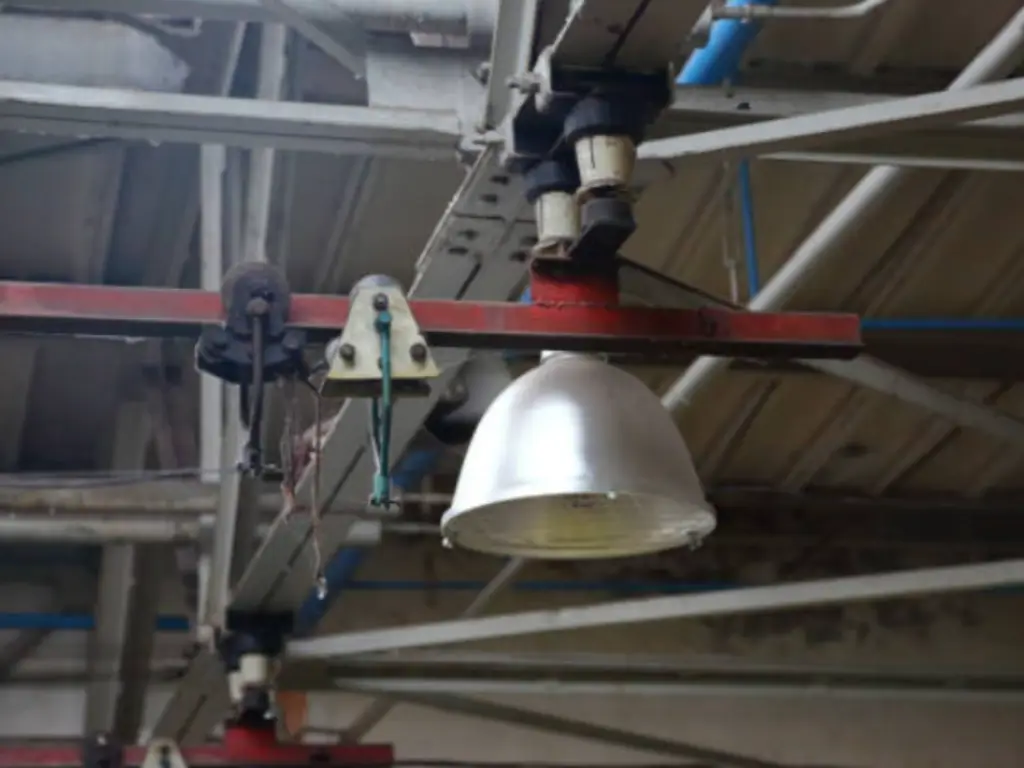
The Hidden Cost of Fake Manufacturers: The L70 Lifespan Trap
In the high-stakes realm of heavy industrial projects, treating LED flood lights as a cheap, interchangeable commodity is a profoundly dangerous financial trap. Inexperienced procurement teams are frequently lured in by trading companies offering rock-bottom prices. These middlemen source low-budget fixtures that utilize inferior, highly porous recycled aluminum for thermal management, while intentionally “overdriving” low-quality LED chips with excessive electrical current. This deceptive engineering creates a brief, blinding illusion of high lumen output during initial unboxing and preliminary testing, but it leads directly and inevitably to rapid L70 Lumen Depreciation.
The physics of this failure are absolute. When a chip is overdriven without adequate thermal dissipation pathways, the internal junction temperature skyrockets. The phosphor coating on the LED begins to rapidly degrade, shifting the color temperature and drastically choking the light output. Within months, a fixture promised to deliver 20,000 lumens will produce less than 10,000. According to guidelines set by the Occupational Safety and Health Administration (OSHA), inadequate workplace illumination directly correlates to increased accident rates, meaning this severe lumen drop violates critical industrial safety regulations.
Beyond the LED chips themselves, the most critical point of failure in a fake industrial fixture is the internal power supply. Cheap trading companies frequently utilize unbranded drivers packed with low-grade electrolytic capacitors. The thermal reality: The liquid electrolyte inside these inferior capacitors literally boils and evaporates when continuously subjected to the ambient heat of a steel mill or a 24/7 continuous manufacturing plant. Even if the LED chips theoretically have 50,000 hours of life remaining, a dried-out capacitor causes the entire driver to catastrophically fail within 12 months, plunging your facility into darkness. Authentic factories entirely mitigate this by exclusively utilizing Tier-1, fully potted drivers where the critical components are encapsulated in thermal silicone to prevent evaporation and severe vibration damage.
Consider the severe financial mathematics of industrial maintenance: If a procurement team saves $50 by purchasing a cheap fixture, but driver failure causes it to die in a high-temperature foundry within 8 months, the replacement cost is never just the price of a new light. The cost to rent a specialized high-altitude scissor lift, hire certified union electricians, and critically, halt the automated production line to allow safe overhead access will rapidly amount to well over 10 to 20 times the initial hardware savings.
This staggering hidden cost is the definitive, logical reason why dealing directly with a verified, deeply vetted source factory is financially mandatory. True manufacturers utilize certified drivers, apply multi-stage anti-corrosion chemical treatments, and scientifically guarantee the thermal dissipation pathway. By actively skipping the middlemen and engaging directly with authentic manufacturers, you secure total accountability for every micro-component, ensuring your operational budget isn’t silently drained by a continuous cycle of high-altitude emergency maintenance.
Conclusion: Making Your Final, Data-Driven Sourcing Decision
Ultimately, executing a flawless sourcing strategy for industrial LED flood lights comes down to precisely aligning a manufacturer’s core engineering competencies with your project’s specific environmental risks, regulatory requirements, and budgetary constraints. If you are tasked with outfitting a highly volatile deep-sea oil rig or an explosive chemical processing plant where the budget is strictly secondary to absolute, uncompromising explosion-proof guarantees, heavily specialized heritage brands like Dialight remain your default, non-negotiable choice.
However, if your operational responsibility involves outfitting massive, large-scale manufacturing plants, upgrading sprawling global logistics hubs, or executing general heavy-industry infrastructure retrofits, your primary objective shifts to aggressively balancing Tier-1 engineering reliability with profound, highly scalable cost-efficiency. The ultimate metric for industrial procurement is not the initial Purchase Order (PO) value, but the Total Cost of Ownership (TCO) calculated over a ten-year operational cycle. Every hour of maintenance deferred, every watt of energy saved through precise optics, and every localized failure prevented directly compounds your facility’s operational profitability.
For these high-volume, ROI-driven projects, bypassing the traditional, inflated brand markups and partnering directly with a deeply established, vertically integrated source factory like WOSEN LED is the most mathematically sound strategic move. It guarantees strict engineering and compliance standards, provides comprehensive OEM/ODM tooling flexibility, and ensures the highest possible Return on Investment for your long-term procurement strategy.
Ready to Upgrade Your Industrial Lighting Supply Chain?
Stop paying middlemen markups for industrial lighting. Partner directly with a source factory that guarantees Tier-1 engineering, rapid OEM prototyping, and unbeatable ROI. Let our engineers evaluate your project requirements today.
Contact WOSEN LED Engineering Team

 English
  Spanish
  French
  German
  Italian
  Arabic
  Russian
  Portuguese
  Dutch
Dutch  Indonesian
  Turkish
  Polish