
In heavy industries like petrochemical refineries, offshore drilling platforms, and combustible dust facilities, an ordinary light fixture is essentially a ticking time bomb. Understanding exactly what is explosion proof lighting is not merely a routine purchasing exercise—it is a critical life-safety mandate dictated by stringent global laws. A single misstep in specification can lead to catastrophic facility loss, severe OSHA or ATEX regulatory fines, and exponential increases in insurance premiums. This comprehensive 2026 engineer’s guide strips away the marketing fluff to decode the fundamental physics of hazardous area illumination. We will navigate the labyrinth of global compliance standards, dissect the exact engineering differences between various protection types, and reveal the true financial ROI of upgrading to advanced LED systems in extreme industrial environments.
The Core Mechanics of Explosion-Proof Lighting
To truly grasp the engineering behind explosion-proof lighting, we must first look at the universal principle of combustion, commonly known as the Fire Triangle. For an explosion or fire to occur, three elements must be present simultaneously in a specific ratio: a flammable substance (fuel such as gases, vapors, or combustible dust), oxygen (the oxidizer), and an ignition source (a thermal heat source or an electrical spark). In highly volatile environments like chemical processing plants, offshore rigs, or grain silos, completely eradicating the fuel and the oxygen is physically impossible and operationally unfeasible. Therefore, the entire science of explosion protection engineering hinges on isolating, controlling, or completely eliminating the third variable: the ignition source.
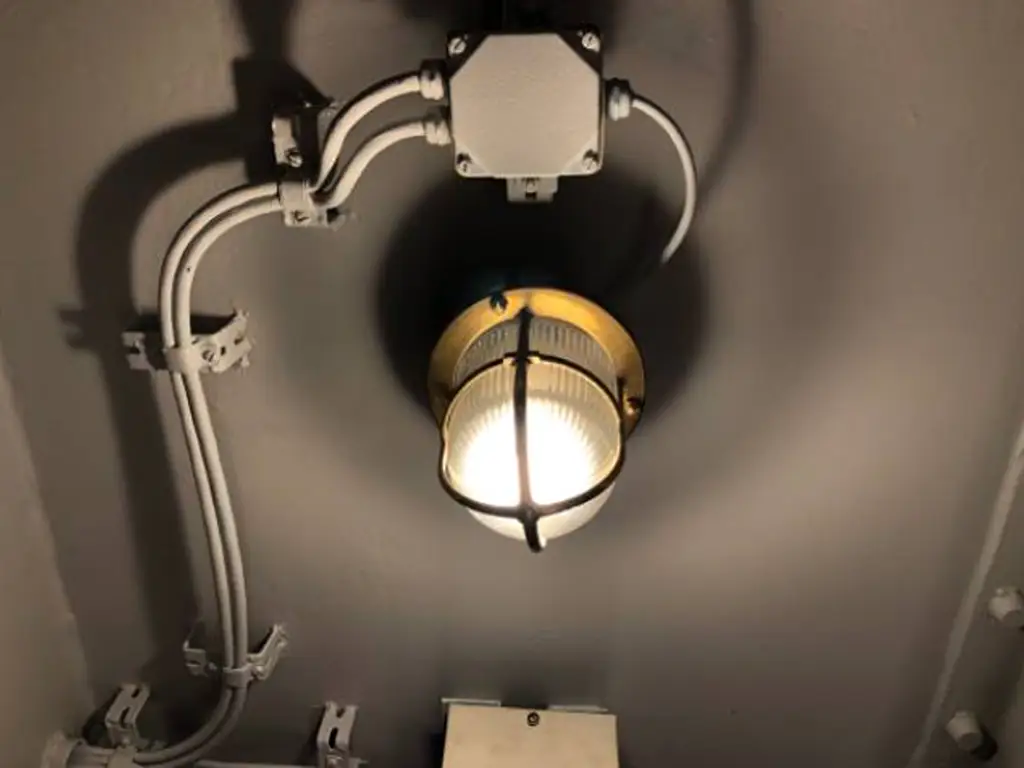
A widespread and incredibly dangerous misconception among procurement novices is that an “explosion-proof” fixture is built like a military bunker, designed to withstand an external blast from the surrounding environment. The physical reality dictated by industrial engineering is entirely the opposite. The term specifically means that the fixture is engineered to allow an internal explosion to occur without igniting the volatile atmosphere outside the casing. Industrial environments are prone to “breathing.” As a light fixture heats up during operation and cools down when switched off, changes in internal barometric pressure draw the surrounding hazardous gases into the fixture’s housing. If those trapped gases are ignited by an internal electrical arc, the resulting explosion is securely contained within the robust enclosure.
The core mechanism that prevents catastrophe is known as the Flame Path (or flame joint). When an internal explosion expands, the intense pressure forces the superheated, expanding gases out through precisely engineered microscopic gaps between the fixture’s mechanical joints—such as the threaded connection between the heavy tempered glass globe and the cast aluminum body. As the escaping flames travel through this labyrinthine metal pathway, they are rapidly cooled by the sheer mass of the surrounding metal acting as a heat sink. According to the foundational testing parameters set by the authoritative IEC 60079-0 standard, the housing must survive a hydrostatic pressure test at up to four times the reference explosion pressure. By the time these expelled gases exit the fixture, their temperature and kinetic energy have dropped significantly below the minimum ignition threshold of the surrounding hazardous atmosphere, effectively neutralizing the threat.
Deciphering Global Hazardous Area Classifications
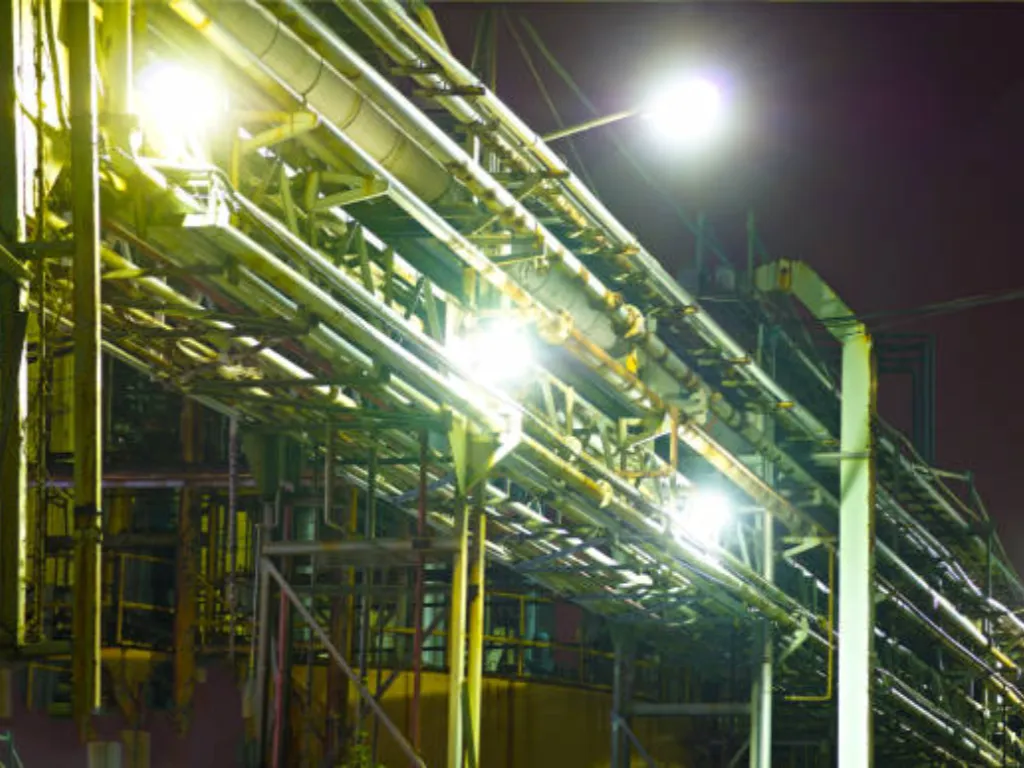
Selecting the right luminaire requires navigating a complex and often contradictory matrix of international standards. The compliance funnel generally operates in three distinct stages: determining the regional regulatory framework and the probability of danger, identifying the specific chemical state of the hazardous material, and calculating the absolute maximum surface temperature allowed in the facility.
Navigating the Maze: NEC vs. IECEx Decision Tree
Historically, B2B buyers have been forced to memorize tedious equivalence tables that lack practical application. To streamline your engineering decisions, we have mapped out a cognitive decision tree matrix that translates the North American NEC (National Electrical Code) Article 500 system—which is based on the probability of an accident—into the global IECEx/ATEX system, which is based on a strictly quantified timeline of gas frequency. Follow this logical flow to lock in your required classification:
- 📍 Phase 1: Determine the Physical State of the Hazard
- 👉 If the hazard is a Flammable Gas, Vapor, or Liquid → Proceed to Gas Standards (Class I / Zones 0, 1, 2)
- 👉 If the hazard is Combustible Dust (Conductive or Non-Conductive) → Proceed to Dust Standards (Class II / Zones 20, 21, 22)
- 👉 If the hazard is Ignitable Fibers/Flyings → Proceed to Fiber Standards (Class III)
- ⏱️ Phase 2: Evaluate the Frequency and Probability of Exposure
- 🚨 Continuous Hazard: The volatile substance is present continuously or for long periods under normal, day-to-day operating conditions (e.g., inside a vented fuel tank or a heavily concentrated vapor containment area).
- ✅ North American Requirement: Class I, Division 1
- ✅ Global IECEx Requirement: Zone 0
- ⚠️ Intermittent Hazard: The volatile substance is likely to exist during normal operations, but only periodically or during maintenance shifts (e.g., loading docks for chemical transfer, pump rooms).
- ✅ North American Requirement: Class I, Division 1
- ✅ Global IECEx Requirement: Zone 1
- 🛡️ Abnormal Hazard: The substance is present only in the case of accidental rupture, mechanical breakdown, or highly abnormal operation (e.g., a sealed storage warehouse handling closed drums).
- ✅ North American Requirement: Class I, Division 2
- ✅ Global IECEx Requirement: Zone 2
- 🚨 Continuous Hazard: The volatile substance is present continuously or for long periods under normal, day-to-day operating conditions (e.g., inside a vented fuel tank or a heavily concentrated vapor containment area).
Applying this decision matrix prevents the dual engineering sins of over-specification and under-specification. If your facility manager identifies a “Scenario C” environment, aggressively purchasing Division 1 fixtures wastes massive amounts of capital budget on over-engineered metal housings you do not need. Conversely, if you operate a “Scenario B” chemical loading dock and install a lightweight Division 2 fixture, the routine and expected presence of vapors during loading will inevitably penetrate the non-explosion-proof housing, risking a catastrophic event.
Material Groupings and the Silent Trigger of T-Ratings
Beyond identifying the probability of a gas leak, engineers must classify the exact chemical nature of the hazard. Not all gases burn the same way or require the same amount of energy to ignite. As defined by authoritative sources like NFPA 70 Article 500, regulatory bodies categorize substances into specific groups based on their volatility and their Minimum Ignition Energy (MIE). For example, under the NEC Class I framework, Group D covers common hydrocarbons like propane and gasoline, which require a standard level of protection. However, Group B covers hydrogen—a gas with an extremely low ignition energy and high explosive pressure. A fixture rated only for Group D will fail catastrophically in a Group B environment because the flame paths are not machined tightly enough to extinguish a hydrogen-fueled internal blast.
Even more critical than the gas grouping is the silent killer of industrial safety: The Temperature Class (T-Rating). Even if a luminaire is perfectly sealed and prevents all electrical sparks from escaping, the mere thermal radiation from its outer shell can trigger a facility-wide blast.
📌 The Absolute T-Rating Iron Law: The maximum surface temperature (T-Rating) of your selected lighting fixture must be strictly lower than the Auto-Ignition Temperature (AIT) of the specific hazardous gas present in your facility.
Let us examine a real-world chemical plant dealing with Carbon Disulfide (CS2) processing. The AIT of Carbon Disulfide is incredibly low, sitting around 90°C (194°F). If a contractor relies solely on the “Explosion Proof” label and installs a premium Class I Div 1 fixture that carries a T3 rating (meaning its maximum surface temperature can legally reach up to 200°C), the fixture itself becomes the ignition source. The moment the light is turned on and heats up during a standard night shift, the ambient CS2 gas will spontaneously combust upon contact with the external glass globe, bypassing the internal electrical components and the flame paths entirely. In this hyper-specific scenario, the engineer must demand a T6 (85°C maximum surface temperature) rated fixture to guarantee compliance and prevent disaster.
Explosion Protection Techniques Explained: Ex d, Ex e, and Beyond
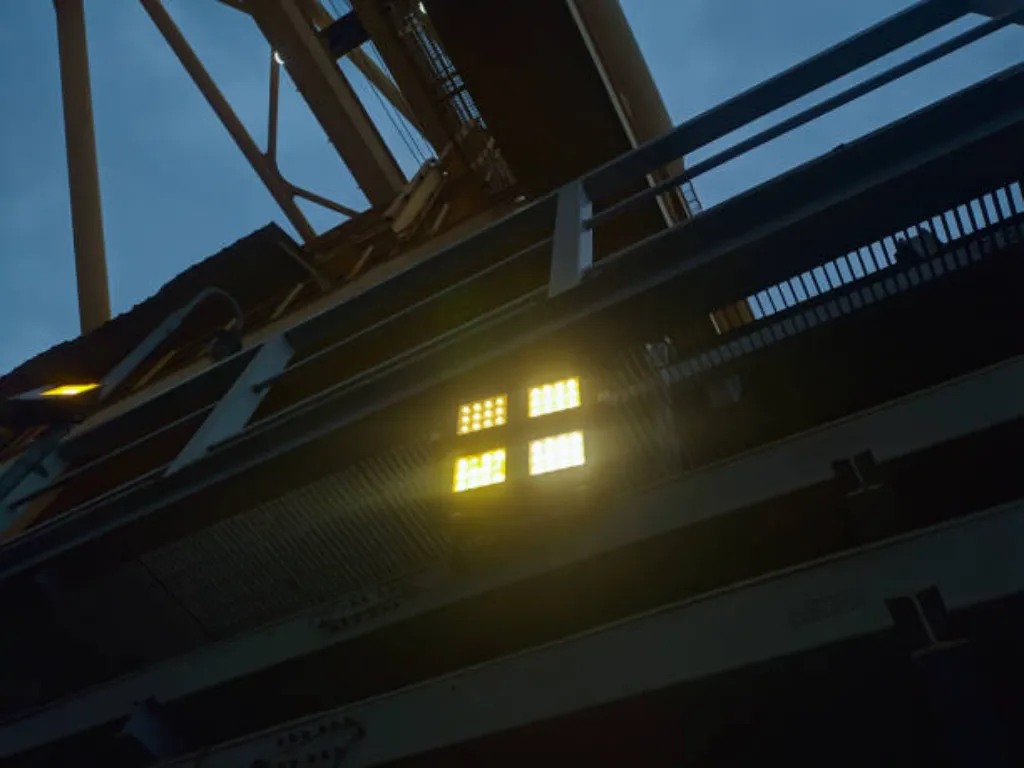
While “Explosion-Proof” is used as a generic, macro-level umbrella term, the international engineering community breaks down hazardous location lighting into highly specific, parallel protection methodologies. To specify correctly, engineers must understand not just the physics, but the exact industrial scenarios where each technique shines.
Ex d (Flameproof) vs. Ex e (Increased Safety)
These two classifications represent the heavyweights of the hazardous lighting industry, operating on fundamentally opposing physics. Here is a definitive breakdown of their mechanics and ideal application scenarios:
| Engineering Dimension | Ex d (Flameproof / Containment) | Ex e (Increased Safety / Prevention) |
|---|---|---|
| Core Protection Mechanism | Designed to withstand an internal explosion and cool the escaping flames via meticulously machined flame paths. It contains the blast pressure. | Designed to ensure an explosion can never initiate. Utilizes high-quality components that will not produce arcs, sparks, or dangerous temperatures. |
| Material & Maintenance | Extremely heavy cast aluminum/stainless steel. Requires rigorous maintenance; a single scratch on the flame path voids certification. | Lighter materials like Glass-Reinforced Polyester (GRP). Easier to handle, but demands absolute diligence regarding internal wiring connections. |
| Ideal Application Scenarios | Heavy manufacturing, Zone 1/Div 1 refineries, offshore drilling platforms, and areas with extremely high mechanical impact risk where the fixture might be physically struck. | Zone 1/2 lighting upgrades, terminal junction boxes, and battery compartments where structural ceiling weight reduction is critical, and corrosive salt spray is present. |
Specialized Applications: Ex i, Ex m, and Ex p
For complex scenarios, engineers rely on specialized methodologies recognized by global compliance frameworks:
- Ex i (Intrinsically Safe): Focuses on starving the potential spark of energy by strictly limiting electrical voltage and current. Ideal Scenarios: Because it cannot deliver high wattage, it is exclusively reserved for low-power sensors, gas detectors, and 4-20mA control loops in extreme Zone 0 environments where continuous gas presence is expected.
- Ex m (Encapsulation): Submerges sparking components inside a solid, highly resilient resin or epoxy, removing ambient air completely. Ideal Scenarios: Used to seal internal LED drivers, relays, or emergency battery packs within larger hybrid fixtures. It is perfect for environments requiring severe chemical washdowns or extreme vibration resistance.
- Ex p (Pressurized/Purged): Likened to a diving bell, this technique pumps clean, non-hazardous gas into the fixture housing at a continuous positive pressure, preventing volatile gases from entering. Ideal Scenarios: Extremely large control panels, VFD (Variable Frequency Drive) cabinets, and specialized custom lighting rigs in Zone 1/2 where heavy cast-metal housings are geometrically impossible to manufacture.
Application-Driven Selection: Comprehensive Scenario Mapping
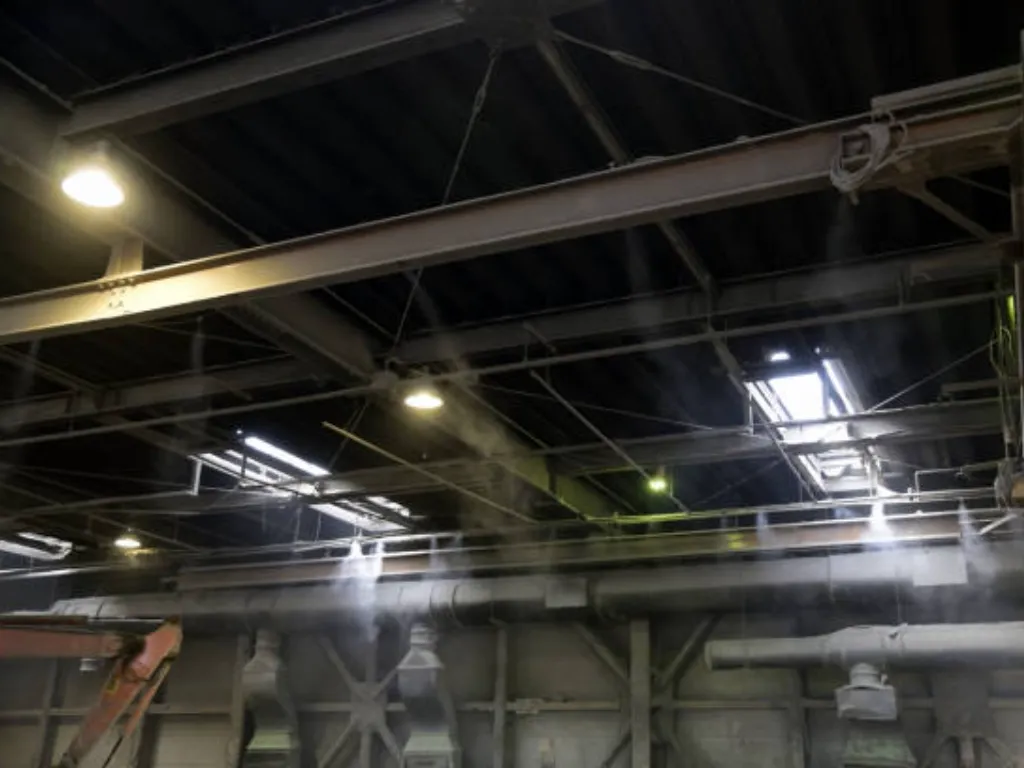
One of the most profound mistakes B2B buyers make is selecting a fixture based solely on its lumen output and certification badge, without considering the physical realities of the installation environment. An application-driven approach—matching the specific industrial geometry to the luminaire type—is the only way to ensure operational efficiency. Below is a comprehensive matrix detailing every major category of explosion-proof lighting, their key engineering features, and their designated industrial scenarios.
| Luminaire Type | Key Engineering Features | Ideal Industrial Scenarios |
|---|---|---|
| Linear / Tube Luminaires | Slim, low-profile design. Typically features impact-resistant polycarbonate (PC) or tempered glass covers. Extremely low wind load profile. | Narrow catwalks on catalytic cracking towers, offshore drilling rig corridors, paint spray booths, and areas with low ceiling clearances to prevent head-strike hazards. |
| High Bay / Low Bay Fixtures | Massive heat sinks for high wattage (up to 400W+ LED equivalent). Offers symmetrical/asymmetrical optics for vast area coverage. Extreme vibration resistance. | Vast enclosed chemical processing plants, bulk hazardous material warehouses, aircraft painting hangars, and heavy machinery assembly floors with 15m+ ceilings. |
| Floodlights | High lumen output with highly directional, adjustable optics. Built with heavy-duty trunnion mounts to withstand severe coastal winds and mechanical stress. | LNG shipping terminals, exterior illumination of holding tanks from safe-zone perimeters, port loading docks, and massive outdoor staging areas. |
| Bulkhead / Well Glass (Jelly Jar) | Compact, omnidirectional light output. Extremely rugged, often featuring wire guards over a thick glass globe. The workhorse of legacy retrofits. | Tight stairwells, pump rooms, elevator shafts in grain silos, and confined transitional spaces where a 360-degree wash of light is required in a small footprint. |
| Emergency & Exit Signs | Features fail-safe circuitry with independent battery backups (often utilizing Ex m encapsulation inside an Ex d or Ex e housing). High visibility in smoke. | Designated egress routes, muster points, and critical control room doorways requiring illumination during catastrophic facility-wide total power failures. |
| Portable / Drop / Handlamps | Operates on strictly low voltage (12V/24V) via isolated step-down transformers. Features ruggedized, chemical-resistant trailing cables and shatter-proof lenses. | Confined space entry protocols, such as draining and inspecting crude oil tanks, chemical vat maintenance, and temporary pipeline repair deep inside Zone 0/1 areas. |
| Warning & Strobe Lights | High-intensity flashing capabilities with colored lenses (Red, Amber, Blue). Often synchronized with facility SCADA systems or gas detection panels. | Hazardous gas leak alarms, overhead crane operation warnings in hazardous zones, offshore helidecks, and visual evacuation alert systems in high-noise environments. |
Unmasking the True ROI of Zone 1 / Div 1 LED Upgrades
When confronted with the initial CapEx quotation for a Zone 1 Explosion-Proof LED lighting upgrade, financial controllers frequently balk. Traditional metal halide explosion-proof fixtures appear significantly cheaper upfront. However, this superficial comparison completely ignores the extreme leverage of hidden maintenance downtime costs in highly regulated environments.
The Extreme Leverage of Maintenance Downtime Costs
To accurately calculate the Total Cost of Ownership (TCO), safety engineers must apply an enhanced financial formula that accounts for the harsh administrative realities of safety compliance:
📈 Total ROI Cost = Initial CapEx + (Annual kW/h × Electricity Rate) + (Annual Replacements × [Bulb Cost + Scaffolding Rental + Hot Work Permit Downtime + Gas Sniffing & Purging Labor + Safety Watch Personnel Fees])
In a standard commercial warehouse, changing a burned-out lightbulb takes ten minutes. In a Class I Division 1 or Zone 1 area, simply opening the glass globe of a traditional metal halide fixture exposes the entire facility to explosive risk. The safety protocol requires shutting down surrounding production lines, initiating complex Lockout/Tagout (LOTO) procedures, bringing in certified third-party technicians for continuous atmospheric gas sniffing, and paying a dedicated safety officer to stand watch. The hidden administrative overhead and labor costs of replacing a single $50 metal halide bulb in a Zone 1 area can easily exceed $1,500 per incident. By upgrading to industrial-grade LED technology with a 100,000-hour lifespan, you radically eliminate the most expensive and dangerous maintenance bottlenecks in your facility.
How Material Integrity Dictates Long-Term ROI
To completely eradicate these exorbitant Zone 1 maintenance costs, luminaires must possess absolute physical stability to survive years of chemical abuse and thermal stress. This is exactly why seasoned procurement engineers turn to WOSEN to secure their infrastructure. Refusing to rely on cheap external extrusions or third-party assembly, WOSEN utilizes its own 400-800 ton cold chamber die-casting machines to forge seamless housings from 100% high-density ADC12 aluminum, followed by precision 5-axis CNC machining to guarantee flawless flame paths. Furthermore, every single product line must pass brutal -40°C to 150°C thermal shock and extensive salt spray testing in a strictly CNAS-accredited laboratory before market release. This uncompromising, heavy-asset control over the entire manufacturing supply chain empowers WOSEN to confidently offer a genuine 5-7 year warranty, effectively zeroing out your long-term maintenance ledger and guaranteeing your projected ROI.
Conclusion: Final Compliance Audit and Long-Term Reliability
Procuring explosion-proof lighting is fundamentally an exercise in strict risk mitigation. Before issuing final sign-off, engineers must perform a rigorous field audit: cross-reference the fixture’s nameplate data against facility documentation, verify the T-Rating provides a mathematically safe margin below the gas Auto-Ignition Temperature, and ensure all cable glands share the exact same rigid certification. Investing in correctly specified lighting secures an ironclad policy for operational continuity and human life.
Ready to Upgrade Your Hazardous Area Lighting?
Stop paying for extreme maintenance downtime. Connect with WOSEN’s engineering team today for a comprehensive facility audit, ROI calculation, and CNAS-certified lighting solutions tailored to your exact Zone and Division requirements.
Contact Our Engineers

 English
  Spanish
  French
  German
  Italian
  Arabic
  Russian
  Portuguese
  Dutch
Dutch  Indonesian
  Turkish
  Polish