
مقدمة: الموازنة بين الامتثال والإنتاجية والعائد على الاستثمار
الإضاءة هي أكثر بكثير من مجرد أداة؛ فهي استثمار تكتيكي يميز الشعور بالبيئة التي تقدم أداءً عاليًا. فالأجواء المتوهجة تحدد بصمت سلامة وتركيز وكفاءة أغلى ما تملكه شركتك من أصول ثمينة وهم الأشخاص، سواء كنت تعمل في مناطق عمل مكاتب الشركات الشاهقة أو في موقع بناء عالي المخاطر حيث تلعب الإضاءة الكافية دورًا حاسمًا.
لقد تطورت العوائق التنظيمية في استخدام الإضاءة الأفضل في مكان العمل لتصبح محور الإدارة الصحية ونجاح الأعمال في البيئة التنافسية لعام 2026. تُعد الإضاءة ذات الجودة الرديئة، أي الجودة الطيفية الخافتة أو السيئة، خسارة غير مرئية للربح النهائي للشركة والتي تنعكس في ارتفاع معدلات الخطأ والإرهاق المنهجي للموظفين. بالنسبة لصانعي القرار، فإن العائد على الاستثمار في الإضاءة عالية الجودة متعدد الأبعاد: فكمية الطاقة التي يتم توفيرها من خلال الإضاءة عالية الجودة كبيرة، والمسؤولية القانونية التي تترتب على ذلك يتم تقليلها إلى الحد الأدنى، والإنتاجية الإجمالية إلى الحد الأقصى.
الإبحار في المتطلبات التنظيمية العالمية لعام 2026
إن "صابورة" أي مشروع في مجال الإضاءة هي الامتثال للوائح التنظيمية. في حالة المنظمات التي تعمل على المستوى العالمي، فإن الخطوة الإجبارية الأولى لإدارة المخاطر هي التوافق مع لوائح ومعايير إدارة السلامة والصحة المهنية (الولايات المتحدة الأمريكية) والصحة والسلامة والبيئة (المملكة المتحدة) و EN 12464-1 (أوروبا). تتأكد هذه المعايير من أن الإضاءة ليست موجودة فقط، بل هي مقصودة.
علينا تقسيم موضوع الإضاءة إلى مجالين من الوظائف:
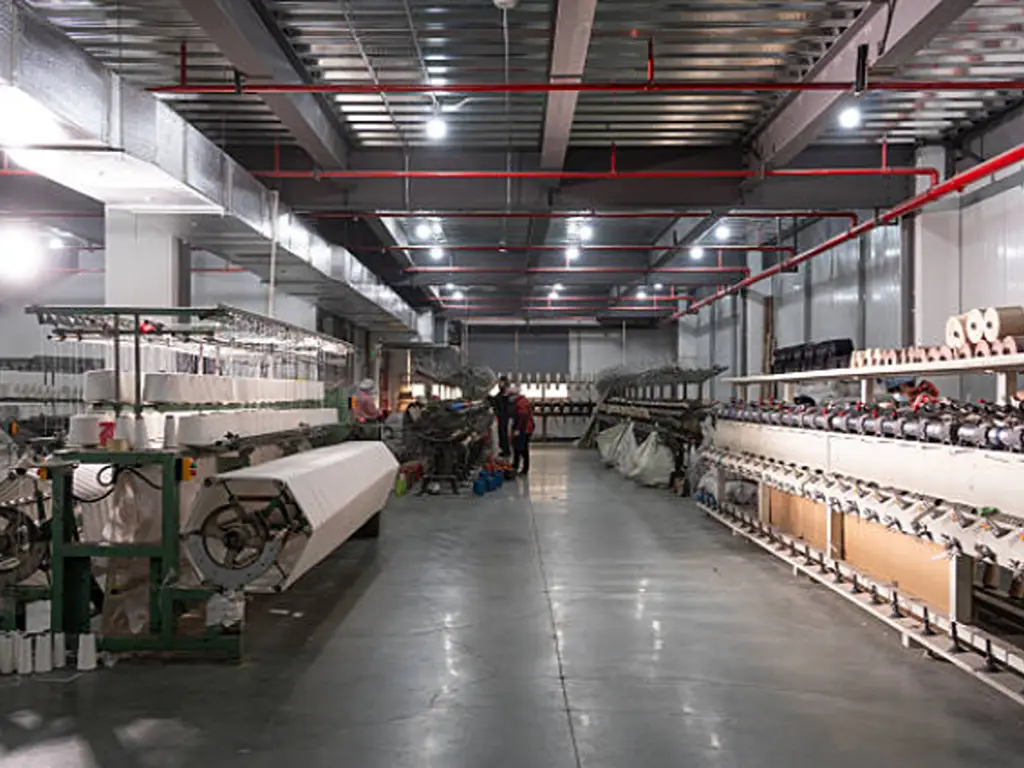
- إضاءة السلامة: هذا هو الخط الأحمر الذي لا يمكن تجاوزه. وهي تركز على المواقع عالية الخطورة مثل السلالم والممرات ومخارج الطوارئ. وهي مصممة ببساطة لتكون قادرة على توفير إضاءة متجانسة كافية بحيث يمكن للأشخاص في حالة انقطاع التيار الكهربائي أو أي حالة طوارئ أخرى الوصول إلى بر الأمان دون ذعر أو أذى جسدي.
- إضاءة المهام: وهي أساس الكفاءة التشغيلية. وهي تركز على مستوى معين من العمل - المكتب أو خط التجميع أو طاولة الفحص. وهي التي تمكن العين من استقبال البيانات البصرية عالية التردد دون الشعور بالإرهاق وتدهور الرؤية المهنية على المدى الطويل.
قائمة التدقيق الكمي: المقاييس الفنية الأساسية
لتقييم نظام إضاءة احترافي يجب تجاوز الجانب الذاتي للنظام، وهو السطوع المدرك، والانتقال إلى البيانات العلمية الموضوعية.
مستويات الإضاءة المستهدفة للمهام المتنوعة
تتطلب الأنشطة المختلفة كثافات طيفية متفاوتة، كما أن التوزيع الدقيق لإضاءة المكاتب ليس فقط في الحفاظ على العينين ولكن له تأثير كبير على الدقة في العمليات. يجب وضع صفوف الإضاءة بشكل استراتيجي لتحسين هذا التوزيع. يعكس الجدول أدناه أهداف البيئات المتنوعة وفقًا لمعايير الصناعة في عام 2026:
| فئة مساحة العمل | الإضاءة الموصى بها (لوكس) | القيمة الاستراتيجية الأساسية |
| مناطق التنقل (السلالم والممرات والتخزين) | 100 - 200 ل إكس | تجنب المخاطر؛ توفير التوجيه المكاني الأساسي. |
| المكتب القياسي/التعاون/غرف الاجتماعات | 500 ل إكس | يدعم القراءة/الكتابة المستمرة في مناطق التخزين النشطة؛ ويقلل من إجهاد وهج الشاشة. |
| التصنيع الدقيق/رسم التصميم بمساعدة الحاسوب/مراقبة الجودة | 750 - 1000 ل إكس | التقاط التفاصيل؛ يقلل من معدلات الخطأ وإهدار المواد. |
| مواقع الإنشاءات الصناعية (المناطق العامة) | 200 - 300 لكس | التعرف على العوائق؛ ضمان الحركة الآمنة في المناطق الديناميكية. |
التحكم في الوهج (UGR) ودقة الألوان (CRI)
إن الركيزتين الأساسيتين للجودة البصرية هما تقييم الوهج الموحد (UGR) ودقة الألوان. يُعد UGR مقياسًا للانزعاج النفسي الناتج عن الضوء الذي يصطدم بالعين من زوايا مباشرة كجزء من تصميم الإضاءة الشامل، وهو ما يؤثر في النهاية على كمية الإضاءة. تُعد نسبة UGR <19 مهمة في البيئة المكتبية. مع ارتفاع الوهج، تصبح العضلات الهدبية للعين في حالة دائمة من التكيّف الدقيق. ويؤدي ذلك إلى حدوث تداخل بصري، والذي يصاحبه على المدى الطويل صداع نصفي وتشتت في التركيز العميق. يعد التحكم في الوهج في المناطق الصناعية ميزة أمان - فهو يقضي على العمى المؤقت الذي يحدث عندما ينظر الموظفون إلى المصابيح المثبتة على ارتفاع عالٍ أثناء استخدام الآلة.
يحدد مؤشر تجسيد اللون (CRI) ما هي حقيقة البيئة، وتلعب CCT دورًا حاسمًا في هذا الجانب، مما يعزز الرؤية. المعيار المعاصر للفضاء الاحترافي هو CRI > 80، حيث يكون هذا الرقم كافيًا لتجنب تشويه الألوان. فالفرق بين النجاح والفشل في بيئة المصنع، سواء كان لحام لوحات الدارات الكهربائية، أو طلاء أجزاء السيارات بالرش، أو اختبار التوحيد الكيميائي، هو ارتفاع CRI. وما لم يكن بالإمكان استخدام الإضاءة لإظهار اللون الفعلي لسلك ما أو عيب في السطح، فمن المستحيل الحصول على أعلى معايير الجودة.
تُعد مستويات UGR و CRI الاحترافية المستدامة هي الشغل الشاغل لصانعي القرارات الاحترافية في المشروع فيما يتعلق بمتطلبات الإضاءة في مكان العمل. ولذلك، فإن النهج الإستراتيجي لتحويل الدقة التقنية إلى ضمان هيكلي لتركيز الفريق على المدى الطويل والدقة البصرية هو اختيار شريك محترف في تنفيذ المشروع.
تكييف معايير الامتثال مع بيئات العمل المتنوعة
لا يوجد في الإضاءة الاحترافية وحدة إنارة ذات مقاس واحد يناسب الجميع. يجب على الشركة أن تدرس الضغوط الخاصة بكل من المكاتب الداخلية وظروف "القبعات الصلبة" في مناطق الإنشاءات العامة وصناعة البناء مع مراعاة اللوائح التنظيمية مثل معايير "ANSI".
المكاتب الداخلية والبيئات التعاونية
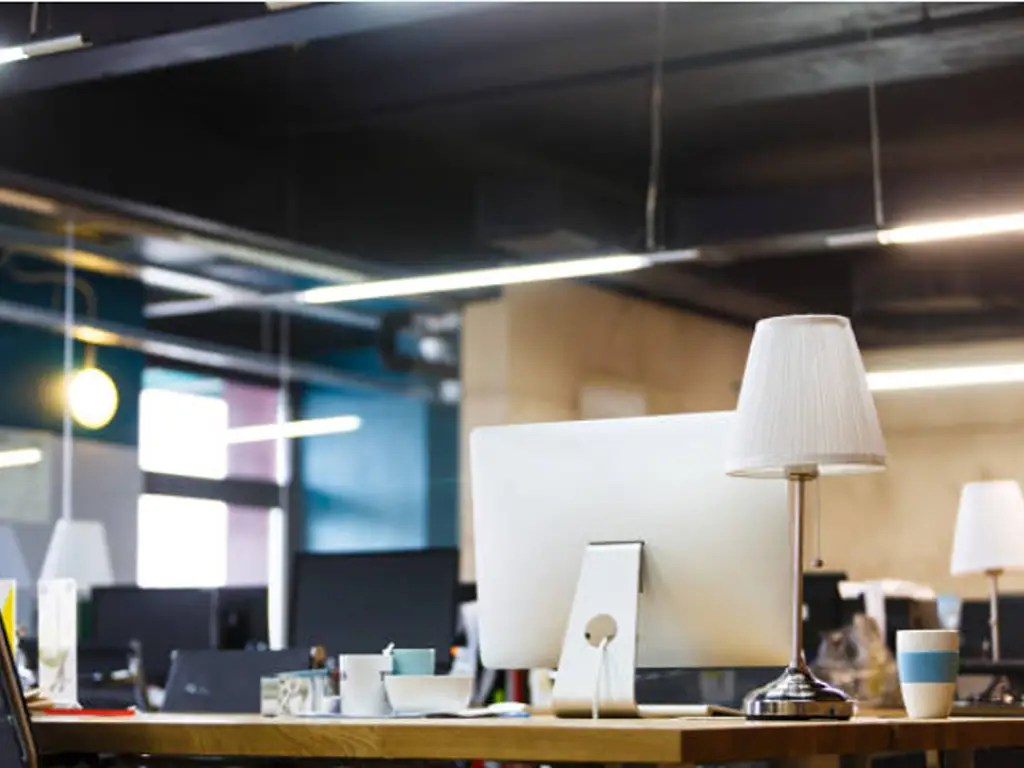
التحدي: إرهاق الرؤية وتجزئة المساحة في مختلف أنواع أماكن العمل. المكاتب المعاصرة عبارة عن مناطق مختلطة من الاهتمام الموجه للشاشة والتعاون. ونقطة الألم القصوى هي الانقطاع البصري، خاصةً عندما لا يكون هناك اهتمام كافٍ بخط الرؤية. فعندما يحول المرء عينيه من الشاشة الساطعة إلى منطقة مظلمة من المكتب، فإنه يقوم بتحويل العينين من الشاشة الساطعة إلى منطقة مظلمة من المكتب، مما يؤدي إلى إرهاق بؤبؤ العين في منتصف فترة ما بعد الظهر. هناك أيضًا مؤثرات الكهف التي هي عبارة عن ضوء اتجاهي قاسٍ، وتظهر هذه الجيوب المظلمة في المكتب المهني مما يجعل المكتب ضيّقًا.
الحل: التوحيد والانتشار الفكرة هي الحصول على التوحيد حيث يجب أن تكون نسبة التوحيد (Uo) 0.6 أو أعلى. وهذا يضمن سلاسة تغيير المؤثرات البصرية.
- مصابيح لوحات إضاءة LED: رائدة المكاتب المفتوحة. يزيل سطحها الضخم المنتشر الظلال الحادة ويجعل الغرفة تبدو ناعمة ومشرقة في نفس الوقت بالمستوى المطلوب.
- مصابيح LED الخطية: تُستخدم بشكل أفضل في محطات العمل المعيارية، وتوفر تدفقًا سلسًا من الضوء، والتي يمكن تعديلها حسب إيقاع المساحة في التصميم الحالي.
سلامة المنشآت الصناعية وسلامة مواقع الإنشاءات
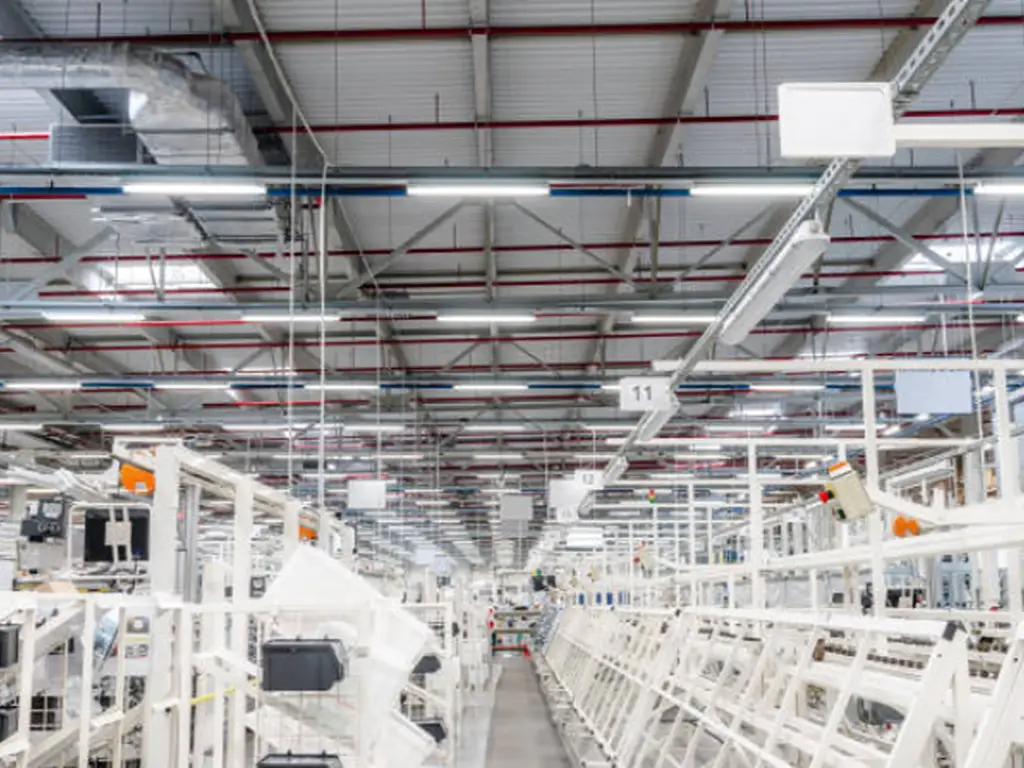
التحدي ارتفاعات السقف الهائلة، والهواء المحمل بالغبار والتأثيرات المادية المرتبطة بالمناطق الصناعية ومنشآت الإنشاءات العامة. تشكل المصابيح العادية، بما في ذلك المصابيح العلوية، عائقًا هنا؛ فقد يتسبب عدم كفاية الرمي أو التباين في حدوث أخطاء كارثية، مثل الخطأ في إساءة استخدام أضواء التحذير أو فقدان المعدات المتحركة في ظلام الظل.
الحل المتانة والدقة الضوئية، يجب أن تتمتع الإضاءة الصناعية بالمواصفات القوية (تبديد الحرارة ومقاومة الصدمات) لضمان السلامة المهنية.
- مصابيح LED عالية الإضاءة: تُستخدم على الأسقف التي يزيد ارتفاعها عن 6 أمتار لإعطاء دفعة ضوئية لاختراق الضباب الصناعي والانتقال إلى الأرض بفعالية.
- الأضواء الكاشفة LED: إنها حماة موقع البناء. إن الكثافة العالية (والتغطية الواسعة الزاوية) تجعلها تبني نوعاً من شبكة أمان حول نوبات العمل الليلية بحيث يمكن تحديد المخاطر عن بعد.
- مصابيح LED ثلاثية الإضاءة: الختم هو الحياة في المناطق الرطبة أو المتربة. هذه المصابيح مقاومة للماء والتآكل، وتوفر 50,000 ساعة أو أكثر من التشغيل دون انقطاع للصيانة.
تعزيز رفاهية الموظفين من خلال التصميم المرتكز على الإنسان
نظرًا لأننا نميل إلى الانخراط في المطاردة المجنونة للكفاءة، فإننا نفقد الكثير من جوهر الضوء فيما يتعلق بالساعة البيولوجية للإنسان. تميل مصابيح LED العادية إلى وجود مشكلة "الوميض غير المرئي"، وهو تأثير متقطع بتردد عالٍ يكون مرئيًا للدماغ وليس للعين. وهذا هو السبب الخفي للإرهاق المكتبي الذي يسبب رد فعل الإجهاد في الجهاز العصبي. وعلاوة على ذلك، لا تستجيب الإضاءة العامة غير المرنة وذات الطيف الواحد للساعة الطبيعية للجسم وتؤدي إلى ما يسمى بـ "كساد فترة ما بعد الظهر" سيئ السمعة والمتمثل في انخفاض الإنتاجية.
ولسد هذه الفجوة الهندسية/البيولوجية، يجب على الشركة المصنعة أن تتجاوز مرحلة التجميع إلى مرحلة البحث والتطوير الاحترافي. الشركات المصنعة المحترفة مثل فوزين دمج الدقة من الدرجة المختبرية في خط الإنتاج. يقوم مختبر CNAS تحت إشراف خبراء من ذوي الخبرة على مدار 20 عامًا باختبار جميع الرقائق وتركيبات الإضاءة لتحقيق الاستقرار الطيفي. وبالمقارنة مع برامج التشغيل العامة، يتم الحصول على معدل CRI أكثر من 80 درجة إضاءة تشبه الضوء الطبيعي من خلال استخدام تقنية COB/SMD المتخصصة.
يمكن للضوء أن يتنفس مع البيئة من خلال توفير خيارات تعتيم ذكية وخيارات اللون الأبيض القابلة للضبط، وبالتالي توفير ميزة إضافة نغمات زرقاء في الصباح ونغمات دافئة في المساء للمهام المختلفة. تم تأكيد الجودة الصناعية وفقًا لمعيار 6S وISO9001 وIEC60598 حيث يمكن ضمان أن يدوم الأداء من 5 إلى 7 سنوات. ولا يمكن للمرء أن ينتقل إلى المرحلة التالية من الانتقال بين مستويات الامتثال الأساسية ومكان العمل عالي الكفاءة إلا من خلال اختيار شركة مصنعة بهذا المستوى من البحث.
التدقيق المستقبلي باستخدام أدوات التحكم الذكية وكفاءة الطاقة
مع تغير سعر الطاقة وتغير أهداف البيئة والمجتمع والحوكمة (ESG) التي أصبحت مطلبًا إلزاميًا، يجب أن يتحول نظام الإضاءة الخارجية إلى نظام بيئي ذكي.
- حصاد ضوء النهار: أجهزة الاستشعار الحالية قادرة على تحديد مساهمة ضوء الشمس الطبيعي. يقوم النظام بتشغيل وإيقاف تشغيل مصابيح LED تلقائيًا في فترة ما بعد الظهيرة المشمسة، مما يحافظ على المكتب عند 500 lx بدقة ويوفر ما يصل إلى 40% من الكهرباء.
- أجهزة استشعار الإشغال: هذا من 2026 المستودعات والممرات. وهي تضمن عدم استهلاك الطاقة حتى يتم استشعار وجود ما. وبالإضافة إلى الحفاظ على الطاقة، فإن هذا يوفر إلى حد كبير من عمر رقائق LED ومحركاتها حيث يتم تقليل مقدار الوقت الذي تقضيه الرقائق في حالة تشغيلها عندما يكون المكان خاملاً.
- إنترنت الأشياء والصيانة التنبؤية: بمساعدة الإدارة السحابية، يستطيع مديرو المرافق التحقق من سلامة كل مصباح. وسيقوم النظام بتحذيرك من اقتراب انتهاء العمر الافتراضي للمصباح قبل أن يتعطل حتى تتمكن من إجراء الصيانة المخطط لها دون التدخل في الإنتاج.
إجراء تدقيق في مكان العمل لتحديد الثغرات في الأداء
الامتثال ليس إنجازًا ثابتًا؛ بل هو حالة من حالات الوجود. إن عمليات التدقيق الدورية للإضاءة هي الطريقة الوحيدة لتحديد "ديون الأداء" قبل أن تؤدي إلى وقوع حادث أو إجهاد العين أو خسارة في الإنتاجية.
إطار عمل التدقيق المكون من ثلاث خطوات:
- تخطيط الإضاءة: استخدم مقياس لوكس مُعاير لاختبار نقاط متعددة على أسطح العمل خلال أوقات مختلفة من اليوم. هذا يحدد "البقع المظلمة" حيث تضاءل الضوء بسبب التقادم أو سوء التصميم الأولي.
- فحص الراحة البصرية والوهج: تفاعل مع القوى العاملة. هل يبلغ الموظفون عن وجود مشاكل؟ هل هناك انعكاسات جديدة ناتجة عن نقل المعدات؟ ينظر التدقيق الاحترافي إلى هندسة الغرفة، وليس فقط المصابيح.
- تقييم عامل الصيانة (MF): تحقق من "استهلاك التجويف الغباري" وتدهور البُرادة. إذا فقد المصباح 20% من ناتجه الأولي، فقد لا يفي بعتبة الأمان للعمل الدقيق. يكشف التدقيق عن هذا "العجز غير المرئي في الإضاءة"، مما يسمح بالتدخل في الوقت المناسب.
الخاتمة: الخطوات التالية للتميز في الإضاءة المستدامة
إن الامتثال لمعايير الإضاءة في مكان العمل والحد الأدنى من متطلبات الإضاءة في مكان العمل ليس مجرد ورقة تحقق تقوم بها كل مرة؛ بل هو التزام يتطلب التزامًا طويل الأجل تجاه الأفراد الذين يقودون أعمالك.
نظام الإضاءة المعاصر ليس مجرد مجموعة من الأضواء. إنه مزيج من المرونة القانونية والدقة التقنية والتعاطف. عندما نغير من سؤالنا من "هل هو ساطع بما فيه الكفاية؟" إلى "هل هو ممتاز بما فيه الكفاية؟" فإننا نفتح مكان عمل يولد قيمة مستدامة وأمانًا وفخرًا ثقافيًا.

 English
  Spanish
  French
  German
  Italian
  Arabic
  Russian
  Portuguese