
In the high-stakes world of municipal lighting, commercial infrastructure, and highway networks, the true lifespan of an LED luminaire is rarely determined by the diode itself; it is inextricably dictated by the structural integrity of its shell. A premium street light housing is not merely a physical enclosure—it is the frontline defense against extreme weather, the primary engine for thermal management, and the ultimate determinant of long-term operational expenditures (OPEX). As we navigate the complex requirements of 2026, advancing industry standards demand rigorous evaluation. This comprehensive guide will dissect the critical physical specifications, deep material engineering truths, and the exact manufacturing craftsmanship required to select top-tier street light housings that guarantee operational reliability and protect your large-scale infrastructure investments.
Comprehensive Classification of Street Light Housings
Before diving into microscopic technical specifications and material resistance, it is crucial to match the macroscopic housing form factor with the specific photometric requirements and aesthetic demands of your lighting project. The global market predominantly relies on a few proven architectural designs, each engineered to serve distinct environments, withstand specific wind loads (Effective Projected Area, or EPA), and deliver highly controlled optical distribution patterns.
Selecting the wrong shape can lead to excessive wind resistance on high-mast poles or inefficient light spillage into unwanted areas. Below is a breakdown of the primary configurations dominating the B2B lighting sector.
| Housing Design | Typical Wattage Range | Primary Application Scenarios | Key Engineering Characteristics |
| Shoebox (Area Light) | 100W – 400W+ | Highways, large parking lots, industrial zones, commercial complexes. | Rectangular, high internal volume for massive heat sinks. Excellent for accommodating large LED arrays for Type III, IV, and V wide light distribution. High durability against harsh impacts. |
| Cobra Head | 50W – 250W | Urban streets, residential roadways, expressways, municipal pathways. | Aerodynamic profile engineered specifically to minimize wind resistance. The industry standard for decades, highly optimized for thermal airflow and shedding heavy snow or rain accumulation. |
| Architectural / Post Top | 30W – 150W | Parks, pedestrian walkways, historical districts, upscale retail exteriors. | Prioritizes aesthetics and 360-degree symmetrical distribution. Often integrates decorative fins, specialized patterns, and anti-glare louvers to ensure pedestrian visual comfort. |
| Integrated Solar Housing | 20W – 150W | Off-grid roads, rural pathways, eco-cities, remote island infrastructure. | Expanded top surface area designed specifically to seamlessly accommodate photovoltaic (PV) panels, while featuring isolated, heavily insulated internal battery compartments to protect lithium cells from extreme heat. |
Precision Craftsmanship: The Foundation of Housing Manufacturing
Translating advanced thermal designs and exact dimensional tolerances into a physical, mass-produced product begins at the molecular level with material selection, followed by an incredibly demanding industrial manufacturing process. Buyers must understand this progression to accurately evaluate the final product’s capabilities.
The Baseline: Evaluating Material Options
The chemical and metallurgical composition is the invisible foundation of the entire fixture. Buyers often encounter a variety of materials in the market, which can generally be divided into synthetic polymers and metal alloys. Polymer materials, such as Polycarbonate (PC) or High-Impact ABS, offer excellent natural resistance to coastal saltwater corrosion and are extremely lightweight, significantly reducing shipping costs and pole load constraints. However, their thermal conductivity is virtually zero (approx. 0.2 W/m·K). In high-wattage commercial scenarios, this inability to dissipate heat will cause internal components to melt and destroy the LED diodes within months, making plastics entirely unsuitable for heavy B2B applications.
Conversely, metal alloys provide the essential thermal pathways required for high-power illumination. While marine-grade stainless steel (304/316L) offers indestructible rust-proofing for highly specialized chemical environments or direct oceanfront piers, its heavy weight, high machining cost, and relatively poor thermal conductivity (around 15 W/m·K) make it highly impractical for standard municipal street poles. Therefore, the industry relies heavily on aluminum alloys. Extruded aluminum offers strong linear profiles, but it is high-purity die-cast aluminum (such as ADC12) that provides the ultimate balance: excellent thermal conductivity (90-120 W/m·K), structural rigidity, and the unique ability to be cast into seamless, complex aerodynamic shapes without introducing weak points. The only hidden trap lies in the use of secondary, recycled scrap aluminum, which introduces severe internal porosity and insulating air pockets that ruin heat dissipation and cause early fixture failure.
| Housing Material | Thermal Conductivity | Structural Integrity & Environmental Resistance | Suitability for High-Power B2B Street Lighting |
| High-Purity ADC12 Die-Cast Aluminum | 90 – 120 W/m·K | Seamless, extremely low porosity. High tensile strength. Excellent when powder-coated. | Ideal. Balances complex aerodynamic shapes, excellent cooling, and waterproofing. Achieves L90B10 at 100k hours. |
| Extruded Aluminum | 160 – 200 W/m·K | Strong, but requires end-caps with gaskets, creating weak points for water ingress. | Good for linear/modular lights, but poor for complex aerodynamic shapes. |
| Marine Stainless Steel (316L) | 15 W/m·K | Indestructible, absolute maximum corrosion resistance. Extremely heavy. | Niche only. Too heavy and thermally inefficient for standard high-wattage LED cooling. |
| Recycled Scrap Aluminum | < 70 W/m·K | High porosity (air pockets), brittle, highly susceptible to rapid galvanic corrosion. | Dangerous. Causes rapid junction temperature spikes, early fixture failure, and cracking. |
| Polycarbonate (PC) / ABS Plastic | ~0.2 W/m·K | Zero rust, but degrades under heavy UV. Cannot dissipate heat. | Unsuitable. Only viable for very low-power (<30W) decorative or budget solar lights. |
Forming the Core: Injection Molding vs. High-Pressure Die Casting
The manufacturing journey diverges drastically based on the material selected in the previous step. The process used to form a plastic shell is fundamentally different from the heavy industrial process required to forge a commercial-grade metal housing.
For Polymer Housings (Injection Molding): If the project dictates low-wattage plastic housings (such as for basic residential solar lights), the manufacturing utilizes Plastic Injection Molding. Pellets of PC or ABS are melted at relatively low temperatures (around 250°C) and injected into steel molds. While this process is highly cost-effective and produces rust-proof shells, plastic cannot be engineered with the thick, complex thermal fins required to dissipate high wattage. Once the plastic cools, the housing is essentially finished, requiring minimal secondary processing.
For Commercial Metal Housings (High-Pressure Die Casting – HPDC): For professional municipal projects demanding high-purity die-cast aluminum (ADC12) to manage intense thermal loads, the journey moves to the heavy foundry. To eliminate severe internal porosity (air pockets) and ensure maximum structural density, the molten aluminum alloy—heated to approximately 680°C (1256°F)—must be injected into hardened steel molds under immense kinetic force.
This requires heavy-duty Cold Chamber High-Pressure Die Casting machines, typically ranging from 800T to 1200T (tonnage). The instantaneous, massive pressure forcefully squeezes out trapped gases and oxides before the metal can solidify. This high-tonnage compression creates a highly dense, thermally conductive, and structurally unyielding raw shell that can withstand decades of vibration and thermal expansion.
Precision CNC Machining for Sealing Integrity
Directly out of the die-casting mold or extrusion press, a metal shell is structurally sound, but its surface is rough and its dimensional tolerances are not tight enough to guarantee a waterproof seal or optimal thermal transfer. Unlike injection-molded plastics, a commercial metal housing must therefore be moved to multi-axis CNC (Computer Numerical Control) machining centers.
Automated milling heads shave down critical areas of the aluminum with micron-level precision. First, they precisely mill the gasket grooves so the silicone seals will sit perfectly flush, laying the groundwork for high IP ratings. More importantly, the CNC machine meticulously flattens the internal mounting surface where the LED Printed Circuit Board (PCB) will be attached. If this surface is even slightly warped, microscopic air gaps will form between the PCB and the housing, destroying the thermal conduction pathway. High-precision CNC milling ensures 100% surface contact for the thermal paste.
Multi-Stage Surface Treatment for Environmental Resistance
For metal-based housings, the final manufacturing step is armoring the naked alloy against the elements. Coastal environments, industrial zones, and high-humidity regions contain highly corrosive airborne agents that will oxidize unprotected metals within months. A premium metal housing undergoes a strict three-step surface treatment:
- Sandblasting: High-velocity steel grit or glass beads are blasted against the housing to remove all oxidation, casting release agents, and burrs, creating a microscopically textured surface that prepares the metal for bonding.
- Phosphating / Chromating: The housing is submerged in a chemical conversion bath. This alters the surface chemistry of the metal, creating a microscopic crystalline layer that acts as a powerful bonding agent for the final paint layer while providing initial corrosion resistance.
- Outdoor-Grade Powder Coating: Utilizing top-tier polymer materials (such as AkzoNobel or Tiger Drylac powder), the housing is electrostatically sprayed to ensure perfectly even coverage, even in deep fin crevices. It is then baked in an industrial oven at over 200°C to cross-link the powder into a thick, UV-resistant, anti-corrosive shield.
How to Choose the Right Street Light Housing: A Step-by-Step Guide
Armed with an understanding of material properties and manufacturing processes, procurement teams can now establish a rigorous evaluation framework. Beyond physical dimensions and aesthetic preferences, a professional procurement process must scrutinize the environmental survival capabilities, the aerodynamic thermal efficiency, and the long-term operational costs associated with the final product.
Step 1: Verify Ingress and Impact Protection (IP/IK Standards)
The first line of defense for any outdoor luminaire is its ability to withstand relentless environmental assaults. Selecting the correct IP and IK ratings is non-negotiable.
- IP66 Certification and Silicone Aging: While IP65 offers basic rain protection, high-end commercial housings must achieve an IP66 rating, protecting against powerful, high-pressure water jets. However, true quality lies in the sealing material. High-grade, anti-aging silicone gaskets are mandatory. Cheaper rubber seals rapidly degrade, dry out, and crack under constant UV exposure and extreme temperature fluctuations, allowing water to eventually breach the optical chamber.
- IK08 to IK10 Impact Resistance: To survive severe hail storms, falling tree branches, and potential vandalism, the housing shell and its corresponding tempered glass or highly stabilized polycarbonate lens must meet at least the IK08 standard (withstanding a 5-joule impact). For high-risk urban areas, IK10 (20-joule impact) is often mandated.
- The Breather Valve (Respirator): As internal components heat up and cool down, immense air pressure builds and drops inside the sealed chamber. Without a premium PTFE (Polytetrafluoroethylene) breather valve to equalize this pressure, a vacuum effect occurs. This vacuum will literally suck moisture through the micro-pores of the gaskets over time, causing internal condensation that fogs the lens and shorts the driver. The PTFE membrane allows air molecules to pass through while completely blocking water droplets.
Step 2: Evaluate Thermal Management and Fin Aerodynamics
Assuming the appropriate material has been selected to draw heat away from the internal components, the external structural design must effectively take over to convect that heat into the atmosphere. The physical shape of the housing is a major deciding factor in long-term lumen maintenance.
Premium metal housings utilize precisely calculated fin spacing to leverage the “Chimney Effect.” As the air between the vertical or parallel fins heats up, it naturally rises, pulling cool ambient air in from the bottom. This creates a continuous, passive cooling draft that protects the LED array. However, if fins are placed too closely together in a misguided attempt to maximize the absolute surface area, they will quickly become a liability. Tightly packed fins become easily clogged with dust, fallen leaves, and urban grime, completely choking off the airflow and turning the housing into a thermal blanket. Therefore, top-tier housings always incorporate a smooth, self-cleaning aerodynamic profile with adequately spaced fins, allowing natural wind and rainwater to wash away accumulated debris.
Step 3: Mandate Tool-Free Maintenance Mechanisms
When calculating the true Return on Investment (ROI) for a municipal lighting project, the operational expenditure (OPEX) over a 10 to 15-year lifespan often far exceeds the initial capital cost of the fixtures. Performing repairs at 10 to 15 meters in the air requires a bucket truck, lane closures, and multiple technicians. Traditional housings that require technicians to unscrew multiple rusted bolts can take upwards of 10 minutes just to open.
In stark contrast, premium housings feature quick-release stainless steel buckles, allowing one-handed, tool-free entry into the driver compartment in under 5 seconds. Furthermore, to comply with strict occupational safety regulations, these advanced designs integrate an automatic power-off disconnect switch that instantly cuts high-voltage electricity the moment the canopy is opened. Specifying tool-free mechanisms is a strategic requirement that can slash long-term labor costs and equipment rental fees by more than 50% across a city-wide deployment.
Step 4: Partnering with the Right Manufacturer
Ultimately, choosing the right street light housing means choosing a manufacturer capable of meeting these exact, stringent criteria. Knowing what to look for—from evaluating material purity to mandating heavy-tonnage casting, CNC machining, and aerodynamic thermal management—is only half the battle. Finding a supplier with the heavy-asset manufacturing power to deliver these precise specifications consistently at scale is the true key to project success.
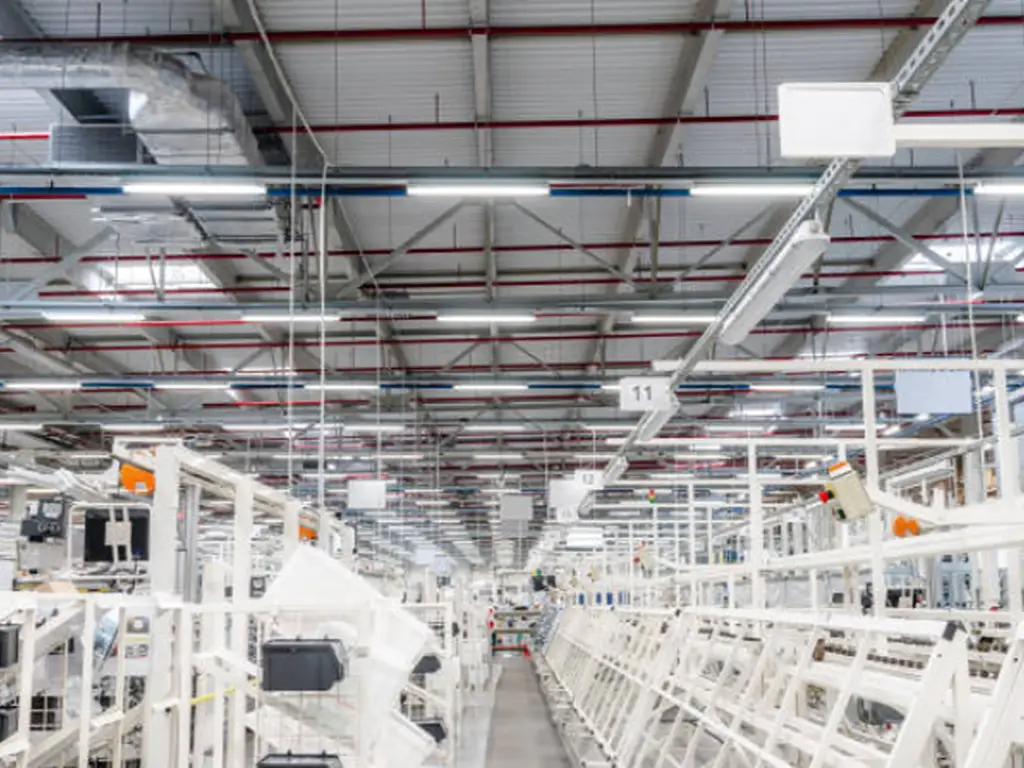
As a globally recognized leader in B2B LED illumination, WOSEN understands that a world-class street light begins with an uncompromising foundation. Operating out of our expansive, tens of thousands of square meters self-owned industrial park, we maintain absolute, unwavering control over the entire production chain. We do not outsource our core competencies. By managing everything from our heavy-tonnage HPDC machines—which eliminate porosity risks and ensure dense, structural integrity—to our precision CNC centers and fully automated powder coating lines, every single manufacturing step is executed in-house under strict ISO 9001 quality management systems.
Furthermore, WOSEN’s commitment to quality is validated by our comprehensive, international-standard testing laboratory. Before any fixture design is approved for mass production, the housing must survive grueling 500+ hour salt spray testing to verify anti-corrosion limits, extreme high/low-temperature cycling to test gasket elasticity, and severe vibration testing. Coupled with our elite R&D engineering team and decades of deep OEM/ODM manufacturing experience, WOSEN doesn’t just assemble lights; we deliver customized, full-scale optical and structural solutions. Whether you need specialized tooling for a unique municipal project, integrated NEMA receptacles for smart city upgrades, or a robust housing engineered to outlast the harshest coastal environments, WOSEN provides the comprehensive manufacturing firepower and quality assurance to protect your investments.
Mounting Systems and Adjustability Standards
Even the most perfectly engineered, thermally optimized, and heavily coated housing is practically useless if it cannot be securely and accurately mounted to the existing infrastructure. Compatibility and adjustability are the final, crucial hurdles in the physical installation process, directly impacting the final photometric result and overall structural safety.
Premium street light housings are designed with universal slip-fitters or highly robust spigot adaptors, commonly engineered to accommodate standard pole tenon diameters of 50mm, 60mm, or 76mm. These mounts must be structurally rated to handle massive wind loads (EPA) to prevent catastrophic pole failures during severe storms or hurricanes. The mounting hardware itself must be composed of 304 or 316-grade stainless steel to prevent rust from locking the fixture to the pole permanently over years of weather exposure.
More importantly, the mounting joint must feature a built-in, precisely calibrated adjustable tilt mechanism, typically offering a flexible range of -15° to +15°. Roads have different gradients, and older poles often suffer from slight structural deflection over time. This tilt adjustability empowers installation crews to fine-tune the fixture’s angle directly on-site. By adjusting the pitch, engineers ensure that the photometric distribution pattern lands precisely on the roadway surface, maximizing lux levels, eliminating dangerous dark spots, and preventing wasteful, non-compliant light trespass into nearby residential windows or natural habitats.
Conclusion
The street light housing is the foundational armor, the thermal engine, and the primary aesthetic footprint of any outdoor lighting system. Making an informed procurement decision demands a rigorous evaluation of IP/IK protection ratings, a deep understanding of material metallurgy and limitations, and an uncompromising standard for precision manufacturing craftsmanship. By prioritizing structural integrity, heat dissipation, and exceptional manufacturing quality today, municipalities and infrastructure developers ensure their lighting networks remain resilient, adaptable, and highly efficient for generations.

 English
  Spanish
  French
  German
  Italian
  Arabic
  Russian
  Portuguese